The Enamel Review · Science
Give Kids A Smile Events: Register by Nov. 15
The ADA Foundation's volunteer program turns 25, and the registration window for the next cycle of events closes Nov. 15 — a small deadline with a long tail.
In a natural, human-quality voice · about 4 min · free when you register
Read aloud · 0:00 / 4:00 · the text follows along
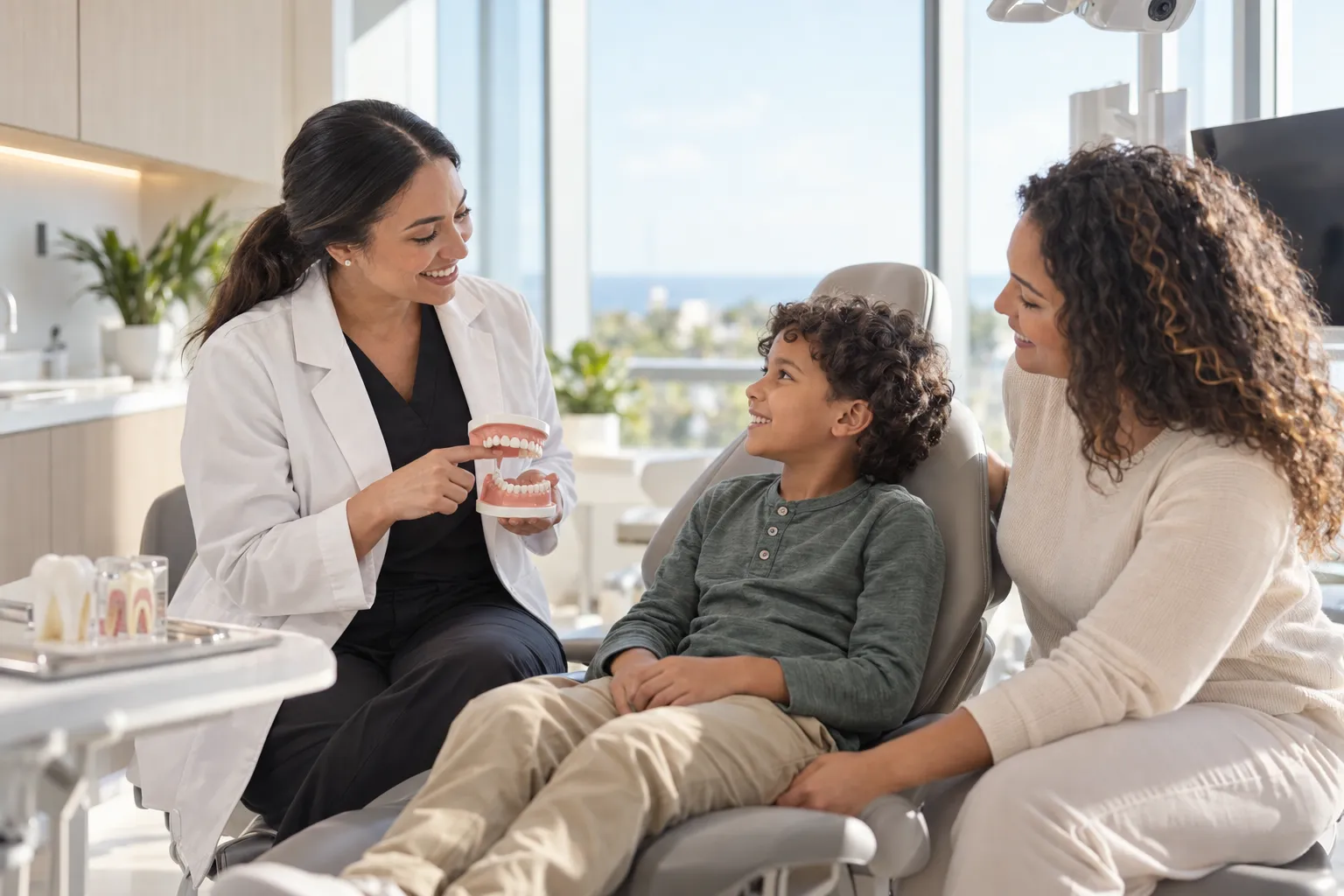
Every dental program that survives a quarter century eventually becomes two things at once: a service and a dataset. Give Kids A Smile, the ADA Foundation’s volunteer initiative that brings free oral health care to children whose families face barriers to it, is marking its 25th anniversary, and the ADA Foundation has opened registration for the coming cycle of events with a Nov. 15 deadline for organizers who want their event listed and supported. Alongside registration, the Foundation is gathering stories from volunteers, patients and families about what the program has meant over 25 years. Both halves of that effort matter, and for different reasons.
What registering by Nov. 15 actually does
Registration is administrative, which is exactly why it is easy to underestimate. An event that is registered with the ADA Foundation enters a national count, becomes visible to volunteers looking for somewhere to spend a Friday morning, and becomes eligible for the coordination and materials the Foundation extends to organizers. An event that is not registered still helps the children who walk through the door, but it disappears from the aggregate — and the aggregate is what makes the case to funders, state dental associations, public health departments and legislators that volunteer capacity exists and is being used.
Organizers are usually dental societies, dental and dental hygiene schools, community health centers, or practices that close their schedules for a day. The clinical work ranges from screenings and fluoride varnish to restorative treatment and extractions, depending on the setting and the license requirements in that state. Details for the current cycle, including deadlines and the story collection, are published in ADA News and on the ADA Foundation’s pages.
Why a single visit is a beginning, not an endpoint
It is worth being precise about what a one-day event can and cannot do, because the honest version is more useful than the celebratory one. Untreated dental caries in children remains one of the most common chronic conditions tracked in US surveillance, and the national oral health surveys reported by the CDC and the research priorities described by NIDCR have consistently shown that the burden falls unevenly across income, geography and insurance status. A day of free care relieves pain, removes active disease and — this is the part that tends to go unmeasured — introduces a child to a dental setting that is not an emergency room.
What the day cannot do by itself is produce a dental home. The American Academy of Pediatrics and the dental professional organizations have long described continuity of care as the mechanism that changes trajectories: periodic recall, caries risk assessment, sealants and fluoride applied on a schedule, and a clinician who knows the child’s history. The association between episodic care and better long-term outcomes is weaker than the association seen with continuous care, which is why well-run events increasingly treat referral as a core deliverable rather than a courtesy. If a child leaves with a restored tooth and no follow-up pathway, the event has treated disease without touching its causes.
What 25 years of stories can tell researchers
The story collection is not sentimentality dressed as scholarship, though it is not research either, and it should not be described as such. Narrative accounts from volunteers and families are qualitative material: they surface the friction points that counts of patients seen will never capture — transportation, school absence policies, language access, parental work schedules, fear carried over from a previous visit, the particular logistics of consent for a child who arrives with a guardian rather than a parent. Those are the variables that determine whether a referral converts into an appointment.
Qualitative material of this kind has real limits. It is self-selected, collected from people with reason to feel positively about the program, and it cannot establish cause. What it can do is generate hypotheses that more rigorous work — of the kind that systematic reviewers at Cochrane evaluate when they examine community oral health interventions — can then test. Twenty-five years of operational knowledge about how to get children into chairs is not a small asset, and it has mostly lived in the heads of the people who organized the events.
How this connects to the broader professional effort
Volunteer days sit inside a wider set of access commitments that the profession’s organizations have been pursuing on several fronts at once, from coverage expansions to infection control and stewardship work. Readers who follow that thread may find our coverage of the ADA’s support for expanded VA dental benefits a useful companion, since it describes the same underlying problem — eligible people who cannot reach care — approached through policy rather than volunteer labor.
For South Florida readers, the practical takeaway is modest and specific. If you are a clinician or a practice administrator considering participation, the Nov. 15 registration deadline is the action item, and it is worth confirming the current requirements directly with the ADA Foundation rather than relying on last year’s memory. If you are a parent who has used a free event in the past, the more durable step is the one that happens afterward: asking, before you leave, where the child is expected to be seen next, and putting that appointment on a calendar while you are still in the building.
Comments
Comments publish after a one-click email verification — every voice here is a real one. Comments are reviewed before they appear.
Loading comments…