The Enamel Review · Industry
ADA coalition backs bill to strengthen CHIP dental coverage
A coalition convened by the American Dental Association is backing federal legislation to shore up dental benefits for children covered by CHIP — and the details matter more than the headline.
In a natural, human-quality voice · about 4 min · free when you register
Read aloud · 0:00 / 4:00 · the text follows along
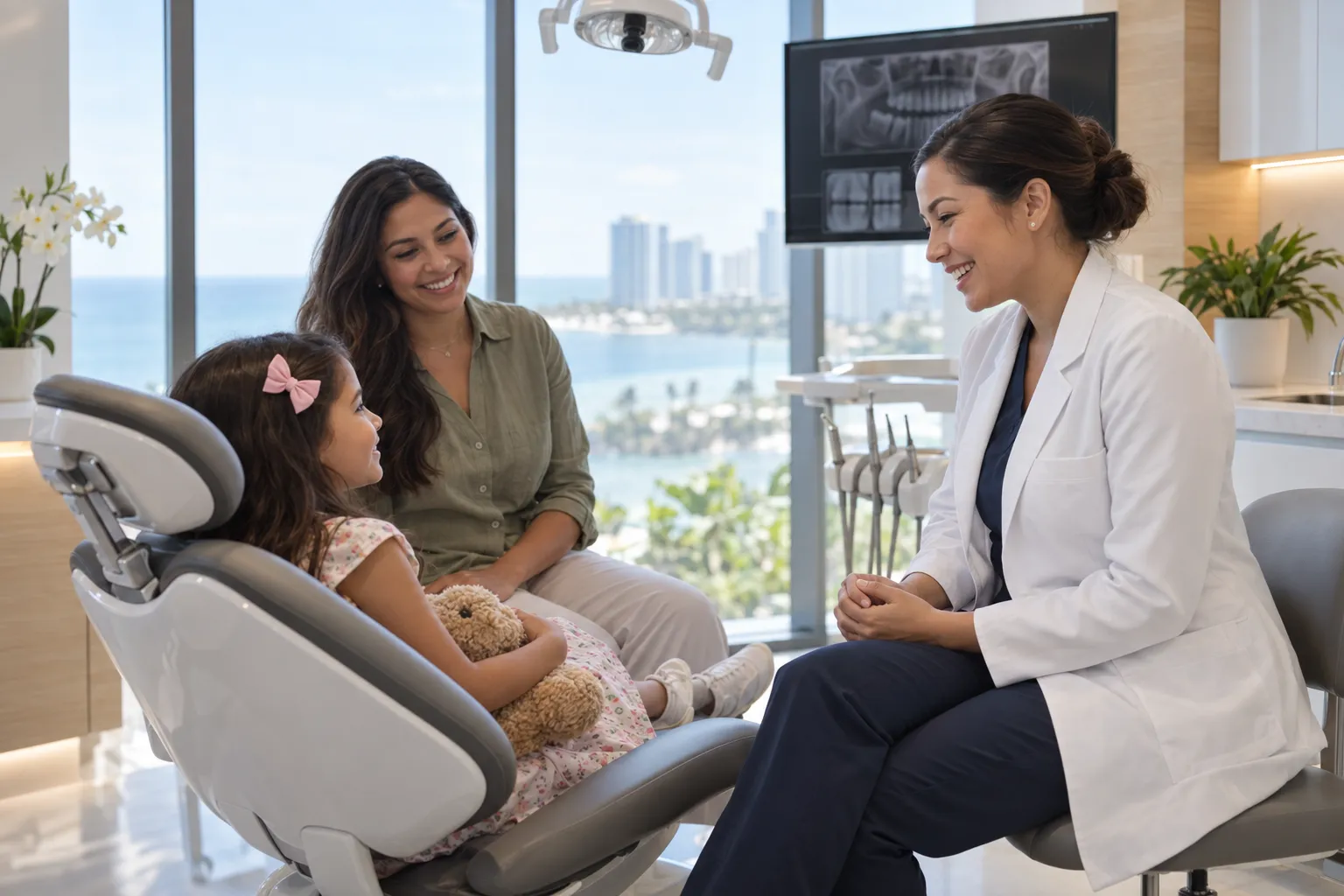
Coverage is a quiet kind of infrastructure. It rarely makes news when it works, and it is almost invisible to the families it serves until the day a child wakes up with a swollen cheek and a parent has to decide whether a dental visit is possible this month. That is the context for a development reported by ADA News: a coalition led by the American Dental Association is supporting federal legislation intended to strengthen dental coverage for children enrolled in the Children’s Health Insurance Program. For readers in South Florida, where CHIP-adjacent programs cover a meaningful share of children, the story is less about Washington procedure than about whether a benefit on paper becomes an appointment on a calendar.
What CHIP already does for children’s teeth
The Children’s Health Insurance Program was created to cover children in households that earn too much to qualify for Medicaid but not enough to absorb the cost of private insurance. Dental benefits are part of that structure rather than an optional rider — a design choice made deliberately, because pediatric oral disease does not politely wait for the rest of a family’s budget to recover. Federal health agencies, including the CDC and NIDCR, have long described dental caries as among the most common chronic conditions of childhood, and the professional guidance published by the American Academy of Pediatrics and the ADA both place the first dental visit around the eruption of the first tooth or the first birthday.
What CHIP does not guarantee is uniformity. Benefit design, administration, and network participation vary by state, and a family that moves across a state line — or simply experiences a change in household income — can find the terms of a child’s dental coverage changing with it. Much of the policy conversation around CHIP dental benefits over the past decade has centered on that unevenness rather than on the existence of the benefit itself.
What a coalition adds to a bill
Legislation of this kind rarely advances on the strength of a single organization’s endorsement. A coalition matters because it signals that the pediatric, public health, and dental communities are describing the same problem in compatible language — which is what committee staff look for when deciding whether a proposal is a narrow professional interest or a broad one. The ADA’s role here is consistent with the advocacy posture it has taken in adjacent areas, including its work on transparency and accountability in dental benefit markets, which we covered in ADA calls for greater oversight of dental insurance markets.
It is worth being precise about what an endorsement is and is not. Supporting a bill is not the same as a bill becoming law, and the specific provisions of federal legislation often change substantially between introduction and enactment. Readers who want the particulars should go to the bill text itself and to the ADA’s own advocacy updates rather than to secondary summaries, this one included.
Why coverage on paper is not the same as care in a chair
The gap between enrollment and treatment is the durable problem in pediatric dental policy. Children can be covered and still go without care when there are few participating providers within a reasonable drive, when appointment lead times stretch past the point a parent can plan around, when transportation or work schedules make a weekday visit impossible, or when administrative friction discourages practices from participating at all. Studies in this area consistently describe an association between provider participation rates and children’s use of dental services — an association, not a mechanism that operates identically in every neighborhood.
This is why state-level work tends to move in parallel with federal work; coordinated efforts by state dental societies have produced practical changes in benefit administration, a pattern discussed in Collaboration helps drive positive insurance changes in multiple states. A federal floor and a functioning state network are different instruments. A child needs both.
What this means for a family reading from Miami
Nothing about a bill under consideration changes a family’s coverage today. What it does change is the reasonable expectation that pediatric dental benefits will remain a defended category rather than a line item quietly thinned during budget negotiations. Dentists reading this may find the coalition’s framing useful when explaining to patients why participation in public programs is a clinical question and not only a business one.
The practical takeaway is modest and immediate: confirm what a child’s current plan actually covers for preventive visits, radiographs, and restorative care, and confirm it this year rather than during an emergency. Ask the plan administrator for the written benefit schedule, note any annual maximums or frequency limits, and schedule preventive visits early in the coverage year when availability is easier to find. Policy moves slowly. A calendar does not.
Comments
Comments publish after a one-click email verification — every voice here is a real one. Comments are reviewed before they appear.
Loading comments…